蓝桥杯物联网竞赛
蓝桥杯物联网竞赛-OLED显示实验(HAL库)1.进入STM32CubeMX选择相应的开发板2.将用于控制OLED的引脚设置为推免输出3.时钟配置选择4.设置名称、选择路径及编程软件、生成代码5.程序配置6.程序补充代码7.实验现象1.进入STM32CubeMX选择相应的开发板2.将用于控制OLED的引脚设置为推免输出PA8和PB4分别为OLED的SCL引脚和SDL引脚,PB5控制OLED的开启与
·
蓝桥杯物联网竞赛-OLED显示实验(HAL库)
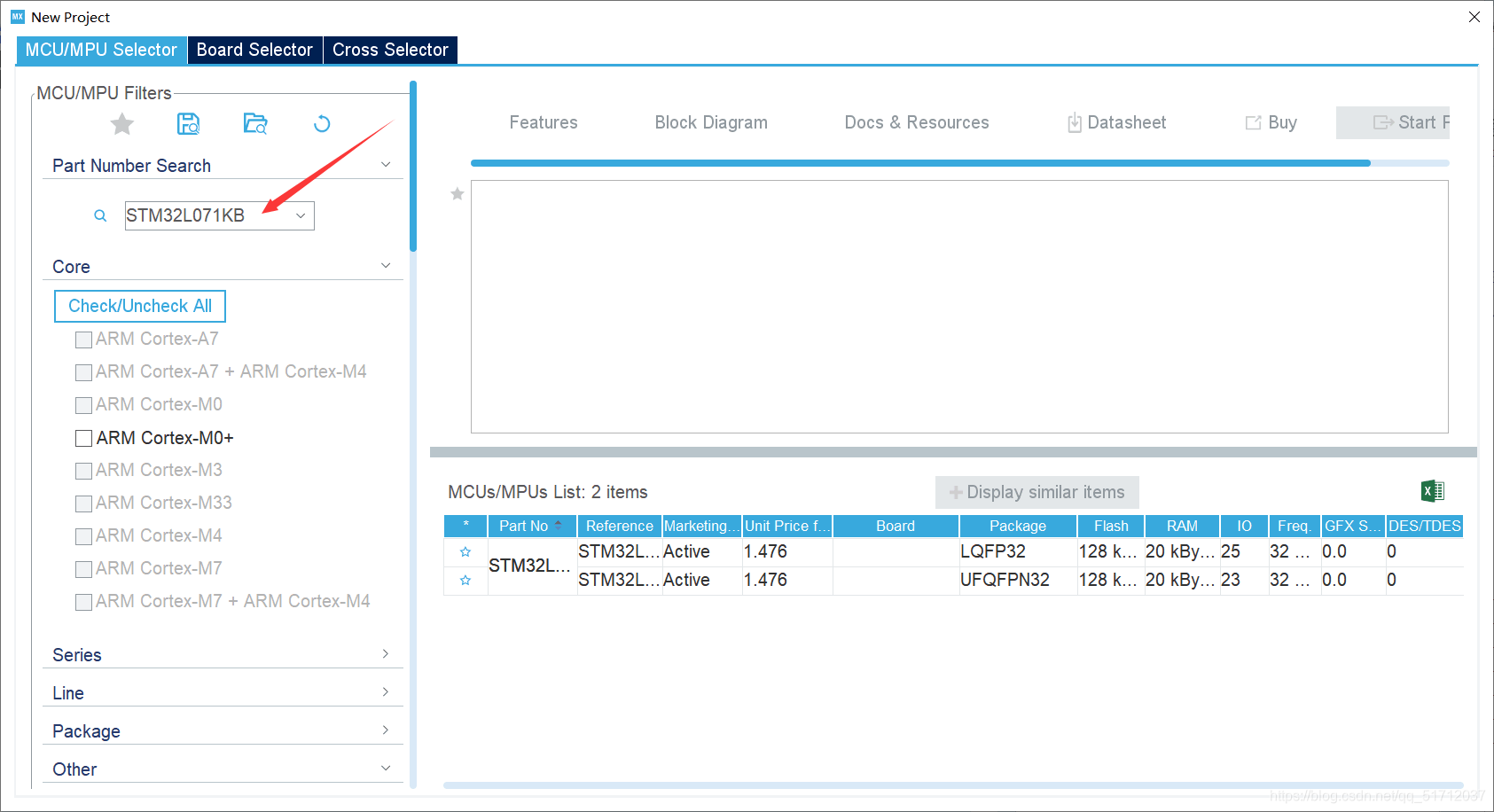
1.进入STM32CubeMX选择相应的开发板
2.将用于控制OLED的引脚设置为推免输出
PA8和PB4分别为OLED的SCL引脚和SDL引脚,PB5控制OLED的开启与关闭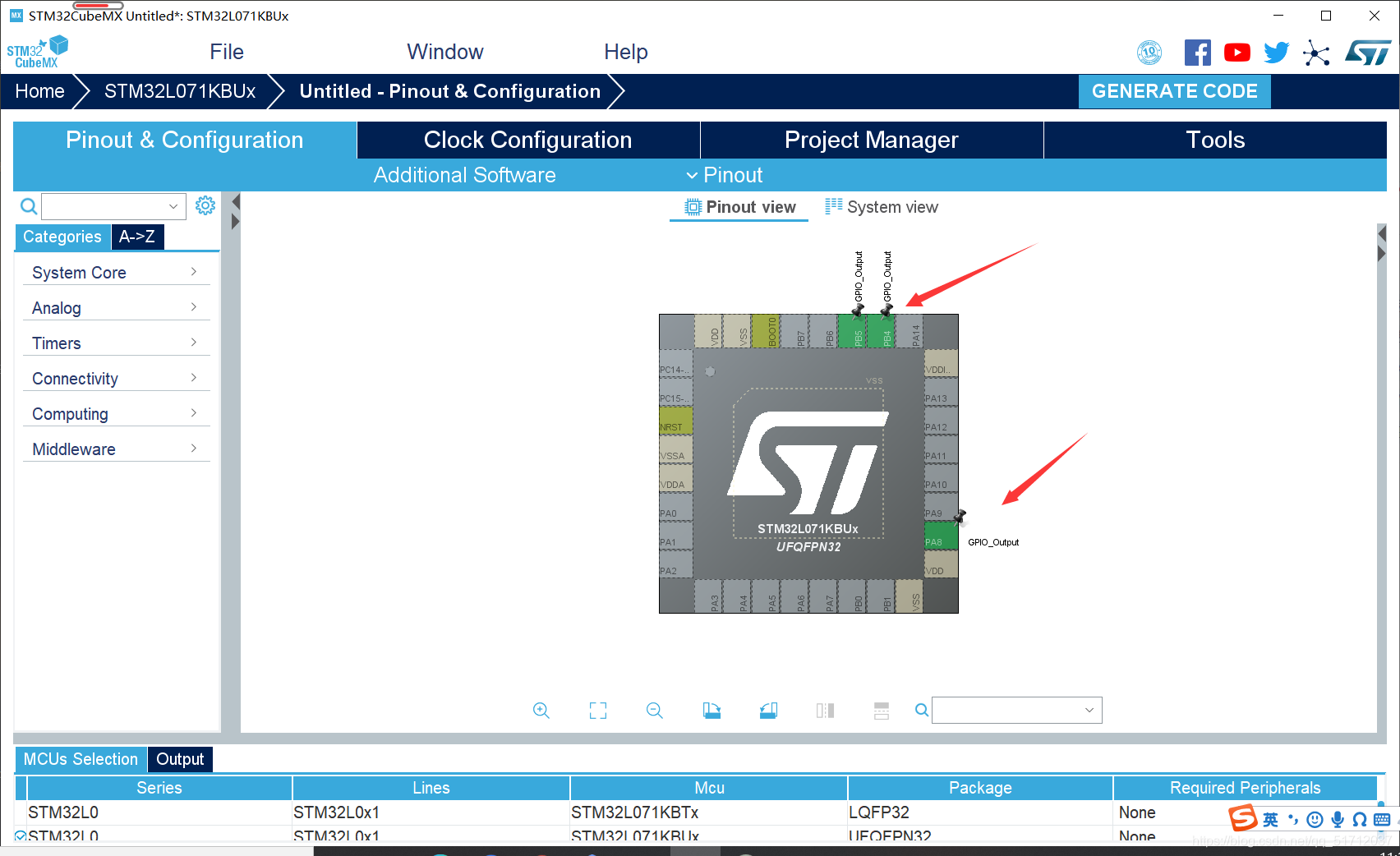
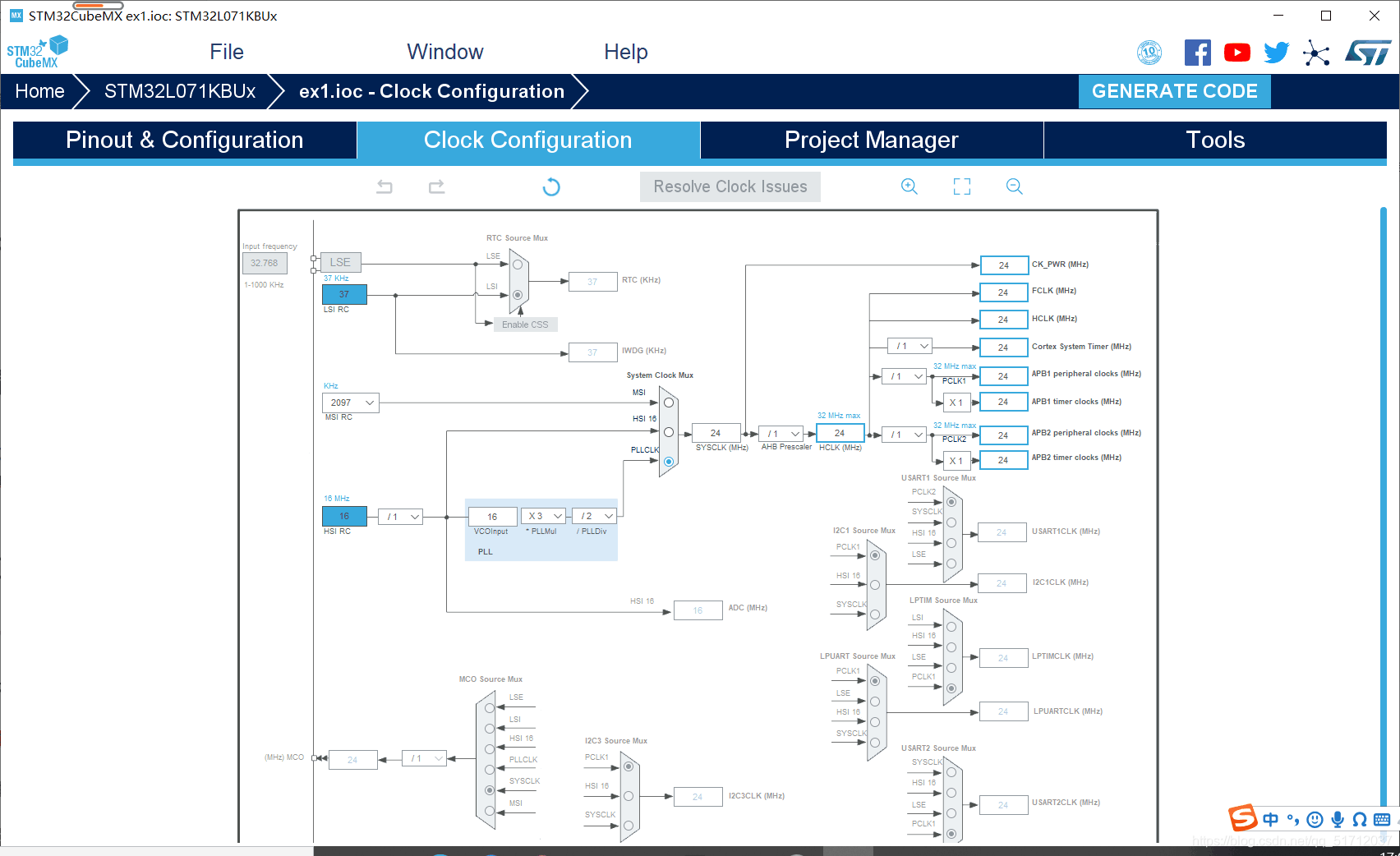
3.时钟配置选择
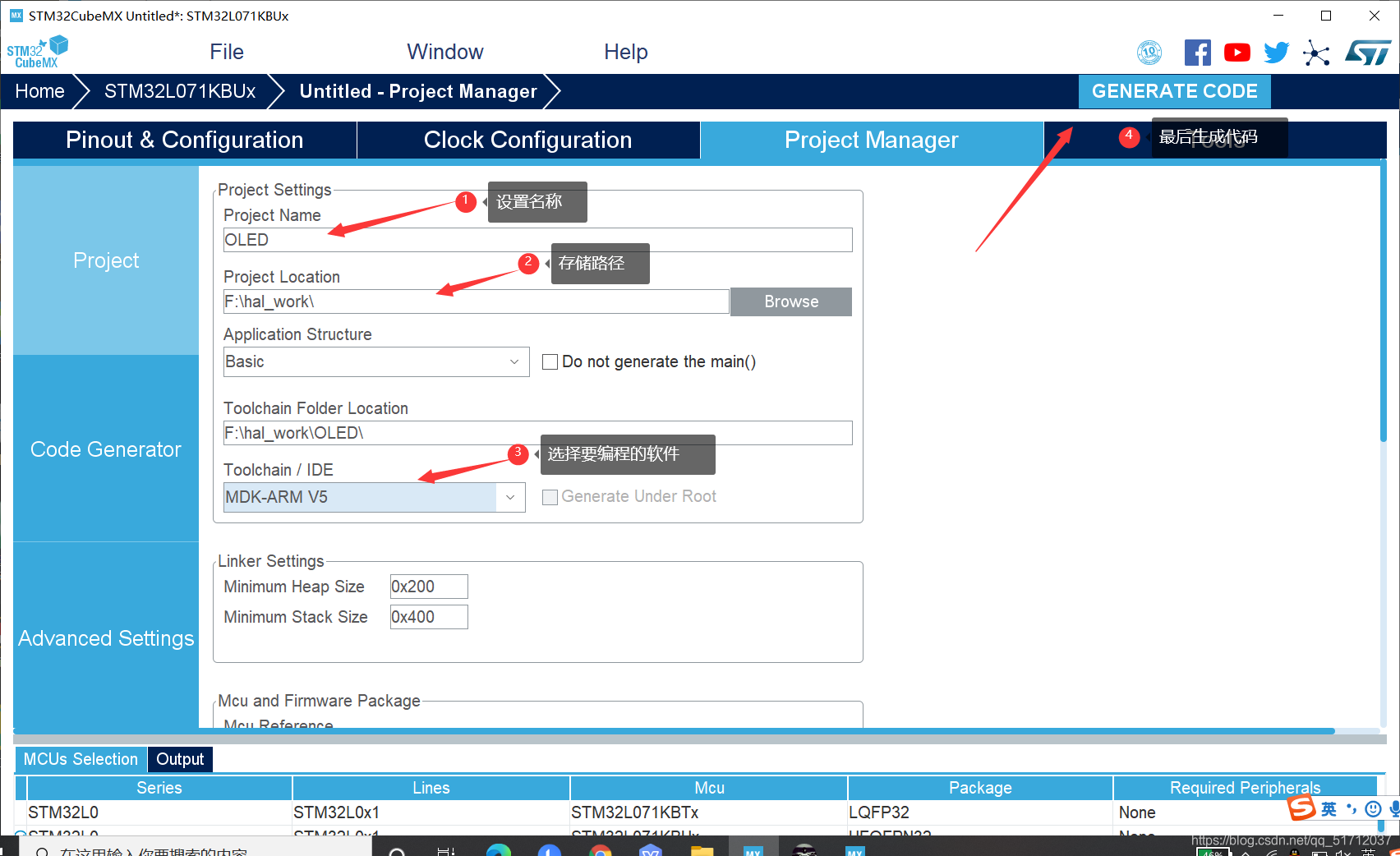
4.设置名称、选择路径及编程软件、生成代码
5.程序配置
(1)添加底层驱动文件 (在程序路径下对应的Inc和Src文件夹下) 大赛会提供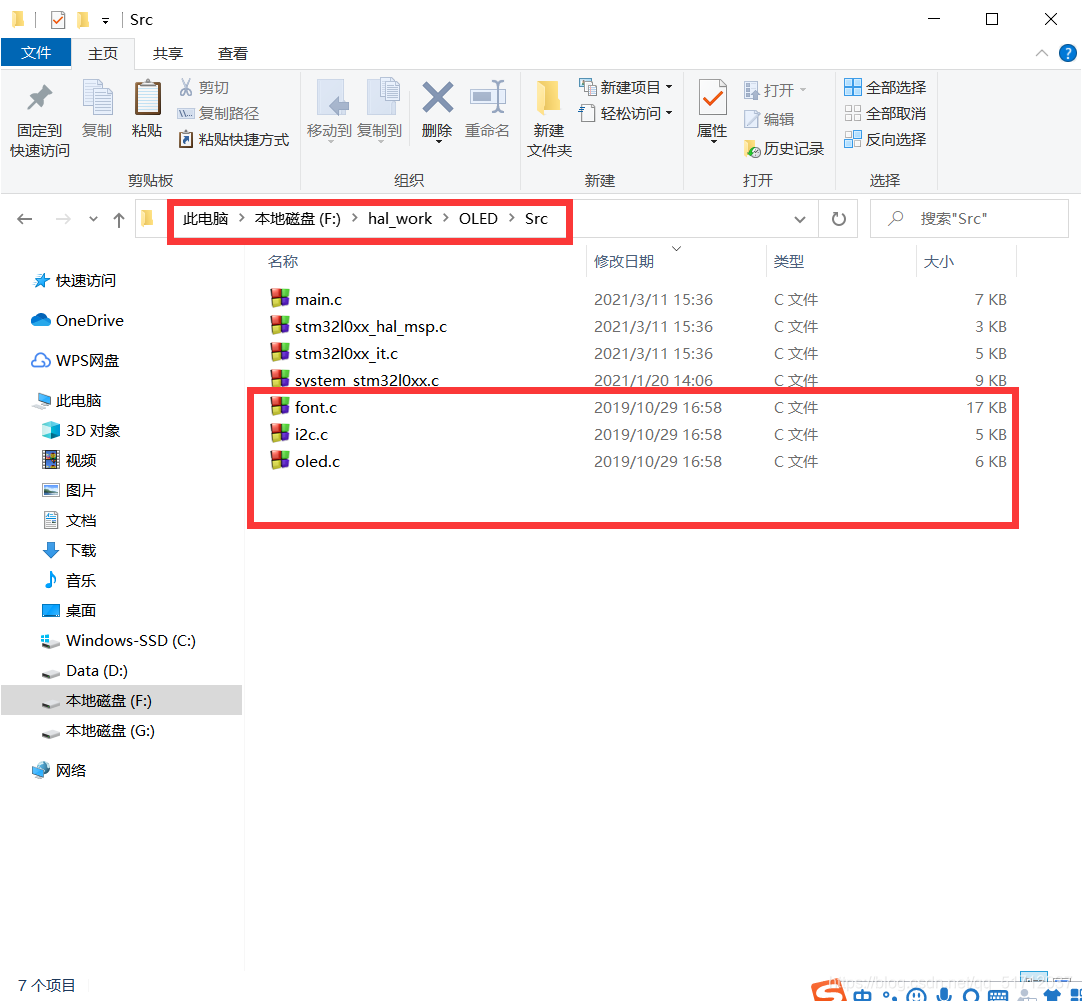
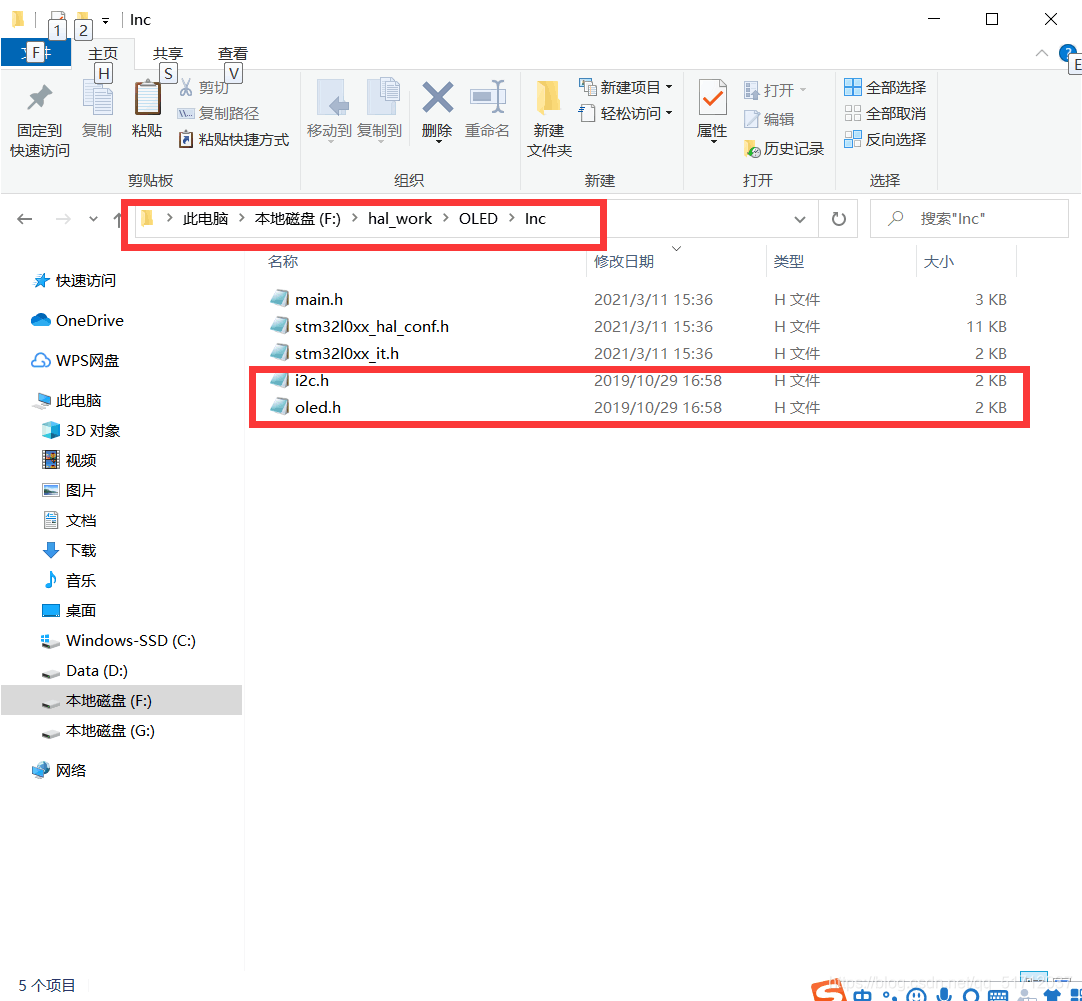
(2)在MDK5中添加这些驱动程序
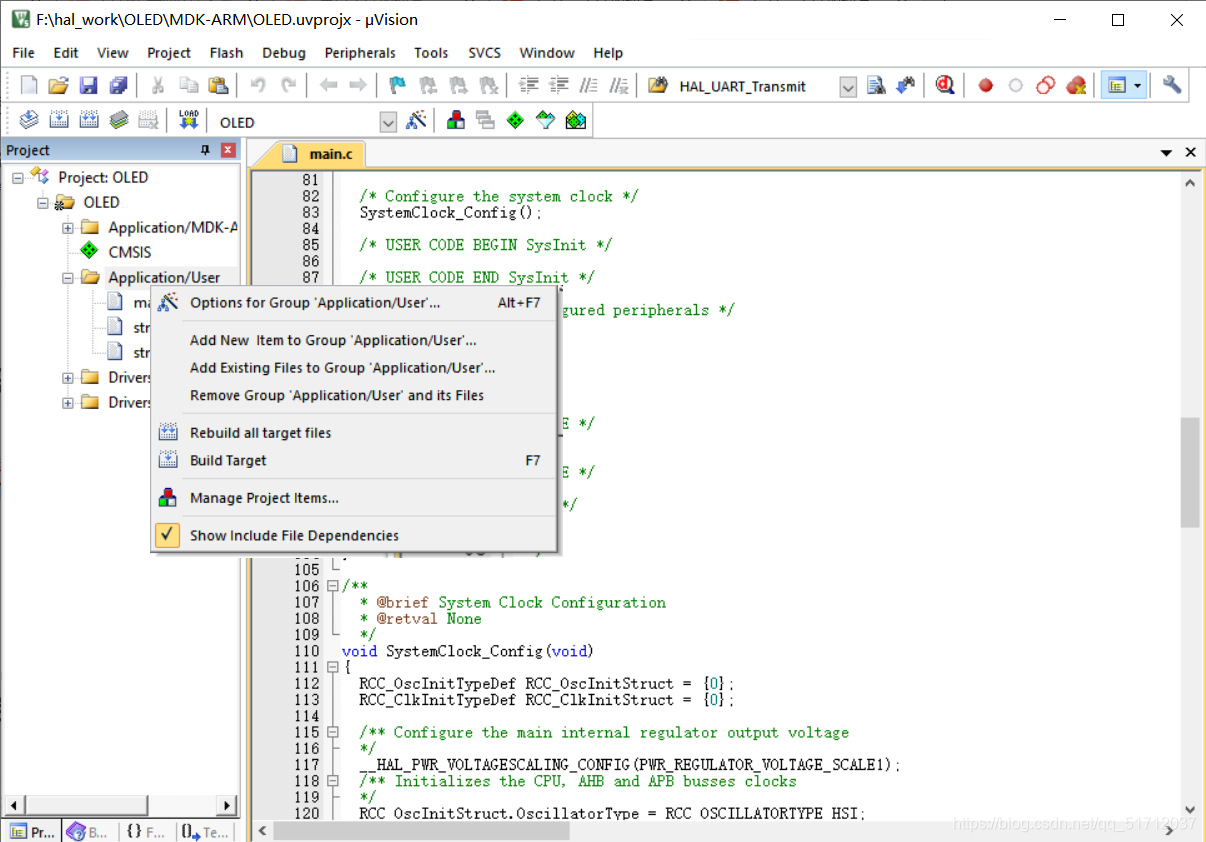
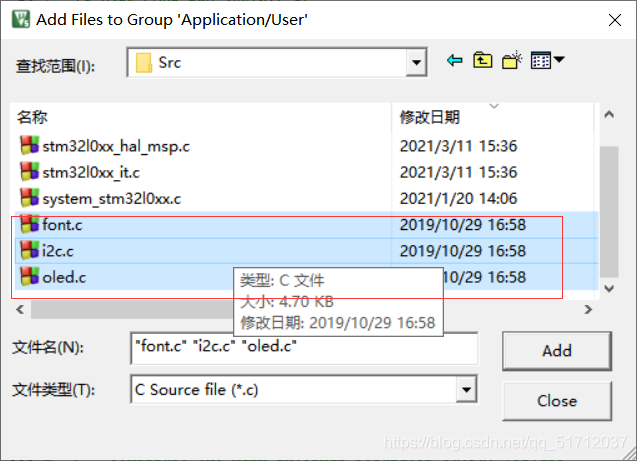
6.程序补充代码
补充的代码主要是图下两个函数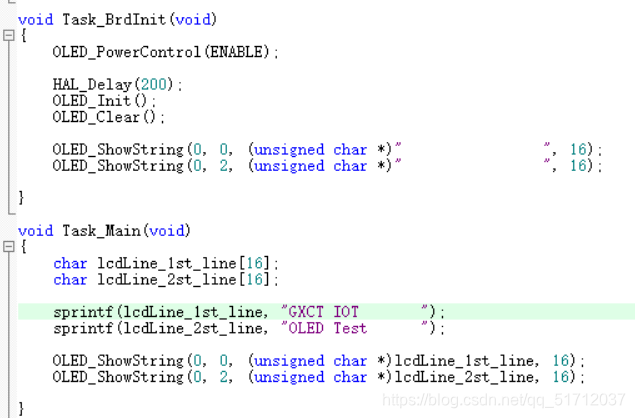
// main.c 补充的函数
/* Includes ------------------------------------------------------------------*/
#include "main.h"
#include "i2c.h"
#include "oled.h"
#include "stdio.h"
#include "stm32l0xx_hal.h"
#include "string.h"

/* Private includes ----------------------------------------------------------*/
/* USER CODE BEGIN Includes */

/* USER CODE END Includes */
void Task_BrdInit(void);
void Task_Main(void);
/* Private typedef -----------------------------------------------------------*/
/* USER CODE BEGIN PTD */

/* USER CODE END PTD */

/* Private define ------------------------------------------------------------*/
/* USER CODE BEGIN PD */

/* USER CODE END PD */

/* Private macro -------------------------------------------------------------*/
/* USER CODE BEGIN PM */

/* USER CODE END PM */

/* Private variables ---------------------------------------------------------*/

/* USER CODE BEGIN PV */

/* USER CODE END PV */

/* Private function prototypes -----------------------------------------------*/
void SystemClock_Config(void);
static void MX_GPIO_Init(void);
/* USER CODE BEGIN PFP */

/* USER CODE END PFP */

/* Private user code ---------------------------------------------------------*/
/* USER CODE BEGIN 0 */

/* USER CODE END 0 */

/**
  * @brief  The application entry point.
  * @retval int
  */
int main(void)
{
  /* USER CODE BEGIN 1 */

  /* USER CODE END 1 */


  /* MCU Configuration--------------------------------------------------------*/

  /* Reset of all peripherals, Initializes the Flash interface and the Systick. */
  HAL_Init();

  /* USER CODE BEGIN Init */

  /* USER CODE END Init */

  /* Configure the system clock */
  SystemClock_Config();

  /* USER CODE BEGIN SysInit */

  /* USER CODE END SysInit */

  /* Initialize all configured peripherals */
  MX_GPIO_Init();
  /* USER CODE BEGIN 2 */

  /* USER CODE END 2 */
Task_BrdInit();
  /* Infinite loop */
  /* USER CODE BEGIN WHILE */
  while (1)
  {
    /* USER CODE END WHILE */
Task_Main();
    /* USER CODE BEGIN 3 */
  }
  /* USER CODE END 3 */
}

void Task_BrdInit(void)
{

    OLED_PowerControl(ENABLE);

    HAL_Delay(200);
    OLED_Init();
    OLED_Clear();

    OLED_ShowString(0, 0, (unsigned char *)"                ", 16);
    OLED_ShowString(0, 2, (unsigned char *)"                ", 16);

}

void Task_Main(void)
{
    char lcdLine_1st_line[16];
    char lcdLine_2st_line[16];

    sprintf(lcdLine_1st_line, "GXCT IOT       ");
    sprintf(lcdLine_2st_line, "OLED Test      ");

    OLED_ShowString(0, 0, (unsigned char *)lcdLine_1st_line, 16);
    OLED_ShowString(0, 2, (unsigned char *)lcdLine_2st_line, 16);

}


/**
  * @brief System Clock Configuration
  * @retval None
  */
void SystemClock_Config(void)
{
  RCC_OscInitTypeDef RCC_OscInitStruct = {0};
  RCC_ClkInitTypeDef RCC_ClkInitStruct = {0};

  /** Configure the main internal regulator output voltage
  */
  __HAL_PWR_VOLTAGESCALING_CONFIG(PWR_REGULATOR_VOLTAGE_SCALE1);
  /** Initializes the CPU, AHB and APB busses clocks
  */
  RCC_OscInitStruct.OscillatorType = RCC_OSCILLATORTYPE_HSI;
  RCC_OscInitStruct.HSIState = RCC_HSI_ON;
  RCC_OscInitStruct.HSICalibrationValue = RCC_HSICALIBRATION_DEFAULT;
  RCC_OscInitStruct.PLL.PLLState = RCC_PLL_ON;
  RCC_OscInitStruct.PLL.PLLSource = RCC_PLLSOURCE_HSI;
  RCC_OscInitStruct.PLL.PLLMUL = RCC_PLLMUL_3;
  RCC_OscInitStruct.PLL.PLLDIV = RCC_PLLDIV_2;
  if (HAL_RCC_OscConfig(&RCC_OscInitStruct) != HAL_OK)
  {
    Error_Handler();
  }
  /** Initializes the CPU, AHB and APB busses clocks
  */
  RCC_ClkInitStruct.ClockType = RCC_CLOCKTYPE_HCLK|RCC_CLOCKTYPE_SYSCLK
                              |RCC_CLOCKTYPE_PCLK1|RCC_CLOCKTYPE_PCLK2;
  RCC_ClkInitStruct.SYSCLKSource = RCC_SYSCLKSOURCE_PLLCLK;
  RCC_ClkInitStruct.AHBCLKDivider = RCC_SYSCLK_DIV1;
  RCC_ClkInitStruct.APB1CLKDivider = RCC_HCLK_DIV1;
  RCC_ClkInitStruct.APB2CLKDivider = RCC_HCLK_DIV1;

  if (HAL_RCC_ClockConfig(&RCC_ClkInitStruct, FLASH_LATENCY_1) != HAL_OK)
  {
    Error_Handler();
  }
}

/**
  * @brief GPIO Initialization Function
  * @param None
  * @retval None
  */
static void MX_GPIO_Init(void)
{
  GPIO_InitTypeDef GPIO_InitStruct = {0};

  /* GPIO Ports Clock Enable */
  __HAL_RCC_GPIOA_CLK_ENABLE();
  __HAL_RCC_GPIOB_CLK_ENABLE();


  /*Configure GPIO pin Output Level */
  HAL_GPIO_WritePin(GPIOA, GPIO_PIN_8, GPIO_PIN_RESET);

  /*Configure GPIO pin Output Level */
  HAL_GPIO_WritePin(GPIOB, GPIO_PIN_4|GPIO_PIN_5, GPIO_PIN_RESET);

  /*Configure GPIO pin : PA8 */
  GPIO_InitStruct.Pin = GPIO_PIN_8;
  GPIO_InitStruct.Mode = GPIO_MODE_OUTPUT_PP;
  GPIO_InitStruct.Pull = GPIO_NOPULL;
  GPIO_InitStruct.Speed = GPIO_SPEED_FREQ_LOW;
  HAL_GPIO_Init(GPIOA, &GPIO_InitStruct);

  /*Configure GPIO pins : PB4 PB5 */
  GPIO_InitStruct.Pin = GPIO_PIN_4|GPIO_PIN_5;
  GPIO_InitStruct.Mode = GPIO_MODE_OUTPUT_PP;
  GPIO_InitStruct.Pull = GPIO_NOPULL;
  GPIO_InitStruct.Speed = GPIO_SPEED_FREQ_LOW;
  HAL_GPIO_Init(GPIOB, &GPIO_InitStruct);


}

/* USER CODE BEGIN 4 */

/* USER CODE END 4 */

/**
  * @brief  This function is executed in case of error occurrence.
  * @retval None
  */
void Error_Handler(void)
{
  /* USER CODE BEGIN Error_Handler_Debug */
  /* User can add his own implementation to report the HAL error return state */

  /* USER CODE END Error_Handler_Debug */
}

#ifdef  USE_FULL_ASSERT
/**
  * @brief  Reports the name of the source file and the source line number
  *         where the assert_param error has occurred.
  * @param  file: pointer to the source file name
  * @param  line: assert_param error line source number
  * @retval None
  */
void assert_failed(uint8_t *file, uint32_t line)
{
  /* USER CODE BEGIN 6 */
  /* User can add his own implementation to report the file name and line number,
     tex: printf("Wrong parameters value: file %s on line %d\r\n", file, line) */
  /* USER CODE END 6 */
}
#endif /* USE_FULL_ASSERT */
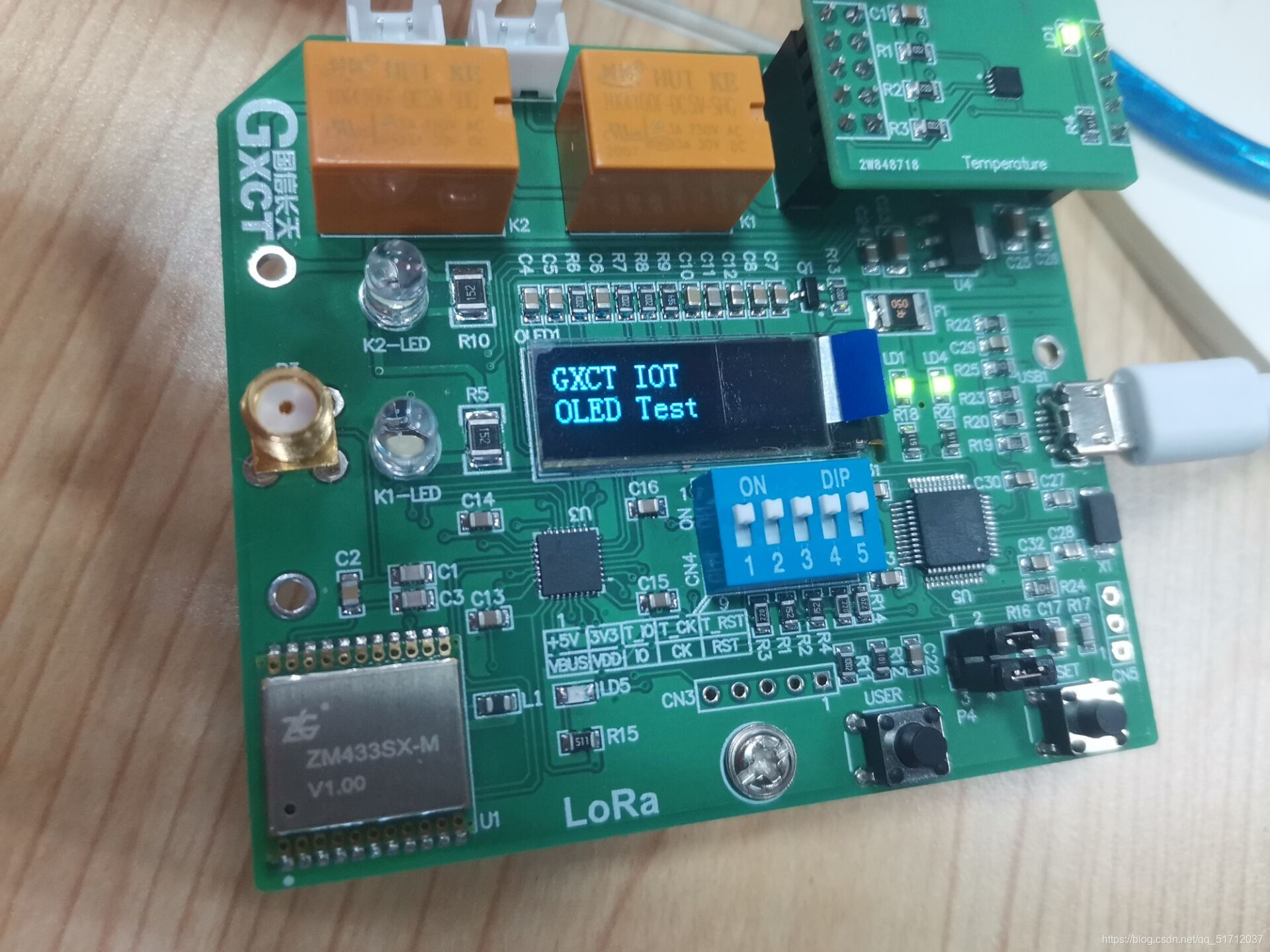
7.实验现象

宁波官方开源宣传和活动阵地,欢迎各位和我们共建开源生态体系!
更多推荐

 13
13 0
0- 0


 已为社区贡献1条内容

所有评论(0)